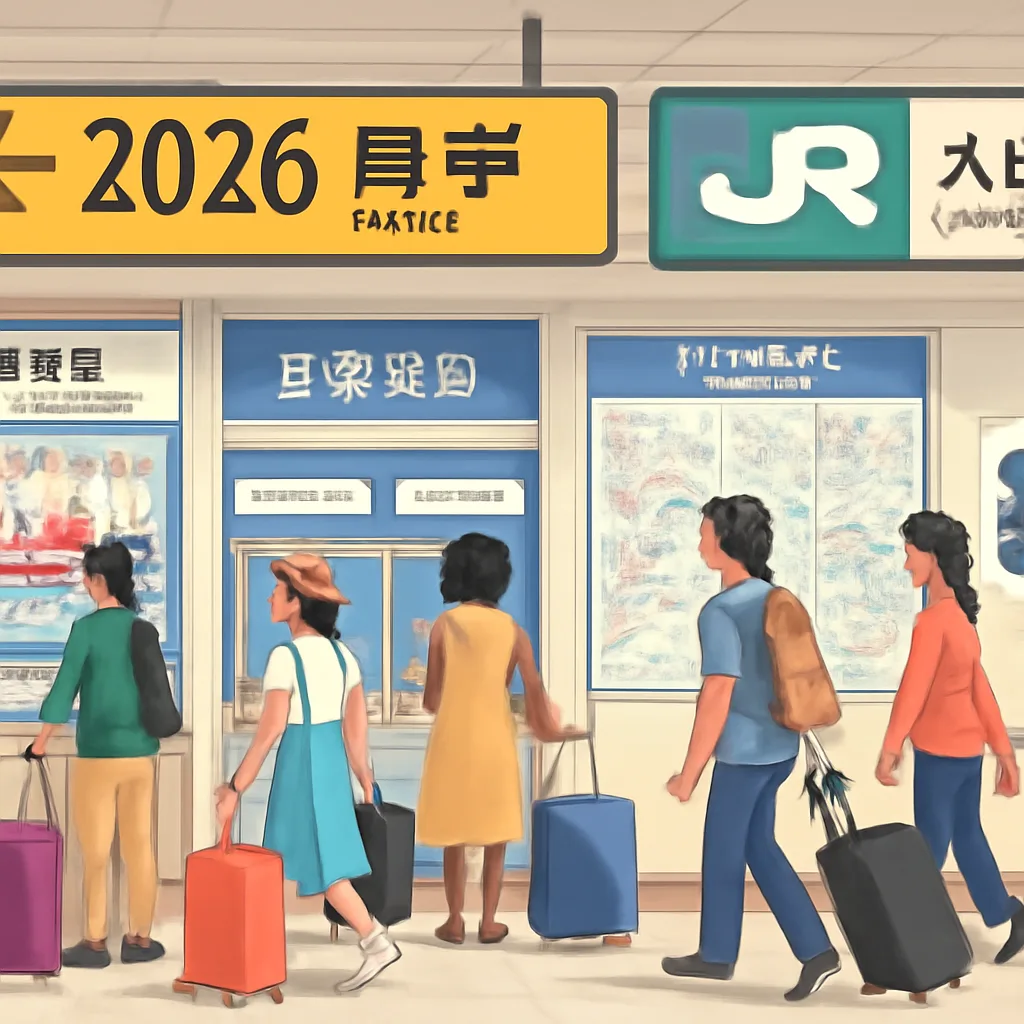
Navigating Japan in 2026: Essential Travel Costs, Tips, and Tourist Traps
Japan is set to welcome tourists in 2026 with a fresh array of regulations that could impact your travel budget and itinerary. With rising departure fees, updated accommodation taxes, and the introduction of new visa processes, tourists must prepare thoroughly to make the most of their visit. Here’s what you need to know to navigate Japan smoothly in 2026.
New Departure Fees and Accommodation Taxes
Starting in 2026, Japan will implement a significant increase in its international departure tax, which applies to every passenger leaving the country by air or ferry. This fee is aimed at enhancing travel infrastructure and promoting sustainable tourism (source 1). For tourists, this means budgeting for slightly higher flight costs. Families and group travelers should be particularly mindful of these changes to avoid unexpected expenses at the airport.
In addition, popular tourist cities like Kyoto will see new accommodation taxes. These tiered fees depend on the type of lodging, with premium hotels and traditional inns facing higher rates. While this may increase your nightly expenses, it's designed to help preserve Japan’s cultural heritage and mitigate the effects of overtourism (source 1). Early planning and budgeting will be crucial for a stress-free experience.
Updated Visa Processes
Visiting Japan in 2026 will require some understanding of changes to visa processes. While many nationalities can still enjoy visa-free access for short stays, updates to application fees and processing times may affect travelers from certain countries. Utilizing Japan's digital entry system can streamline customs and immigration procedures, making entry smoother (source 1). It's wise to prepare your documents ahead of time to avoid delays.
Tax-Free Shopping Changes
Tax-free shopping, a popular draw for tourists, will also see changes in 2026. Travelers may need to pay the full consumption tax upfront and then claim refunds at departure points by presenting receipts and purchased goods to customs officials (source 1). Familiarizing yourself with this new system will not only save you money but also simplify your shopping experience. Ensure you keep all receipts for a hassle-free refund process.
Tourist Traps to Avoid
While Japan offers countless attractions, some tourist traps can lead to overspending or disappointing experiences. According to travel expert Joshua Trajkovski, here are four common pitfalls to avoid:
-
Animal Cafes in Tokyo: These venues often charge exorbitant fees for the experience of interacting with animals. Consider visiting animal sanctuaries instead, which may offer a more ethical and engaging experience.
-
Tokyo Skytree: While it’s a popular spot, the high entrance fee and long wait times can make it less appealing. Opt for alternative viewpoints, such as the Tokyo Metropolitan Government Building, which offers free observation decks.
-
Staying in Shinjuku or Shibuya: These areas are known for their vibrant nightlife but can be overwhelming and pricey. Consider more local neighborhoods for a more authentic and budget-friendly stay.
-
Dining in Tourist Areas: Restaurants in heavily trafficked tourist zones often charge higher prices for average meals. Seek out local eateries to enjoy authentic Japanese cuisine at a better price (source 2).
Seasonal Planning for Unique Experiences
Japan is renowned for its seasonal beauty, from cherry blossoms in spring to vibrant autumn leaves. Each season offers unique experiences, so timing your visit can significantly impact your trip. For example, traveling during shoulder seasons can provide a balance of pleasant weather, lower prices, and fewer crowds (source 1).
Key Takeaways
- Budget for New Fees: Understand and plan for increased departure taxes and accommodation fees in 2026.
- Stay Informed on Visa Changes: Check visa requirements and processing times ahead of your trip.
- Adapt to Tax-Free Shopping: Familiarize yourself with the new tax refund system to maximize savings.
- Avoid Tourist Traps: Choose alternative attractions and dining options for a more authentic experience.
- Plan Seasonally: Select travel dates that align with the seasonal highlights of Japan.
Conclusion
Preparing for travel to Japan in 2026 requires awareness of new fees, updated visa processes, and potential tourist traps. By staying informed and planning ahead, you can navigate these changes and enjoy the rich cultural experiences Japan offers. Whether it's indulging in world-class cuisine, exploring historic sites, or enjoying the beauty of nature, thoughtful preparation will ensure your trip is both enjoyable and memorable. Keep an eye on local customs and regulations to enhance your travel experience.
Sources
This article aggregates 2 sources. Click (source N) inline to jump to the matching entry.
- Travelling to Japan 2026 Made Easy: Insider Tips on Departure Fees, Visa Updates, Shopping, and Seasonal Planning for Tourists - Travel And Tour World www.travelandtourworld.com
- Joshua Trajkovski 在 Instagram: "4 Tourist traps you MUST avoid in Japan! 😱 1. Do not overpay at an animal cafe in Tokyo 2. Do not go to Tokyo sky tree 3. Do not stay in Shinjuku or Shibuya 4. Do not eat at restaurants in tourist areas Comment “Japan” for the FREE Ultimate Japan travel guides, it’s everything you need before your Japan trip! Share to a friend that wants to travel to 🇯🇵✨ Follow me @joshuainjapan_ for more Japan travel tips 🇯🇵📚 Thanks for all the support! - Joshua 🤠✝️ #japan #japantrip #japantravel" www.instagram.com